

Advanced MRI in Greenville and Washington County
Delta Health - The Medical Center Imaging Services
MRI (Magnetic Resonance Imaging) technology has been around for a number of years. Now, with the new 1.5 Tesla MRI unit at The Medical Center, and the greatly increased speed with which its images are taken, we can clearly see parts of the body that move, such as the organs in the chest, the organs in the abdomen, and vessels throughout the body. These new “real-time” images give physicians advanced tools for diagnosing an illness or injury.
MRI technology uses no radiation, is painless, and now can provide critical diagnostic information without surgery.
Magnetic resonance imaging (MRI) is a test that creates detailed pictures of the inside of your body. MRI combines the use of strong magnets and radio waves to form an MRI image.
Preparing for MRI
Each type of MRI exam is different. In some cases, you might need to stop eating or drinking before the test, or you might need to stop taking your medication(s) for a certain period of time. Ask your doctor how you need to prepare for your scan.
Tell your doctor if you have:
- A cardiac pacemaker
- Any electrically active implant
- Any known ferromagnetic metallic materials within your body
- Cochlear implants
- Coils, stents and/or filters
- Intracranial aneurysm clips
- Ocular metallic foreign bodies
Also, be sure to let your doctor know if you’re pregnant.
What Happens During Your MRI
Before your MRI exam begins, you’ll be asked to put on a hospital gown and removed all jewelry. Also, it’s often necessary to use a special dye (called “contrast”) to make a part of your body show up more clearly on the scan. If you need the dye, it will be administered through an IV (intravenous line).
To reduce the amount of noise you’ll hear from the MRI machine, you’ll be given earplugs or headphones to wear during the scan. You’ll lie down on a table that slides into the MRI, and a device might be placed over the area of your body that your doctor is examining.
Most MRI scans take 30-60 minutes for each area of the body being examined. You should plan for your entire visit — from check in to check out — to be at least two hours. In some cases, it might take longer.
Arriving for Your Appointment
You’ll need to arrive at least 30 minutes before your appointment so that you can check in and complete paperwork.
What Happens After Your MRI
Patients can typically go back to their normal activities and diet immediately after completing an MRI scan. If you were given contrast dye, you should drink more water than usual during the 24 hours after the exam.

Locations
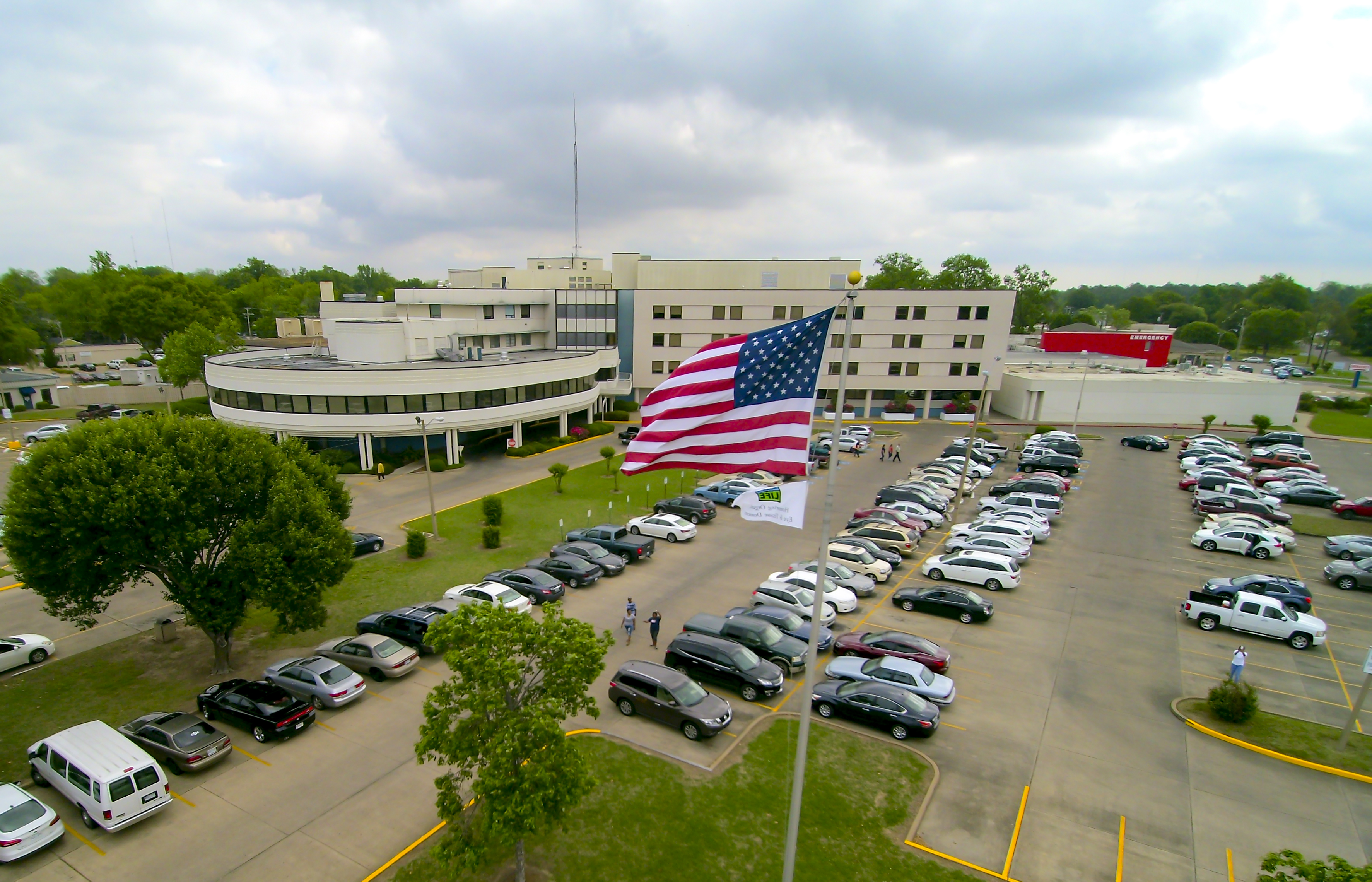

The Healthcare Home of the Mississippi Delta.